Keeping hedges and borders neat through winter: a guide for Penistone and Crow Edge
Wondering about hedge trimming this winter in Penistone or Crow Edge? Here's when to cut, when to wait, and what your hedges actually need right now.

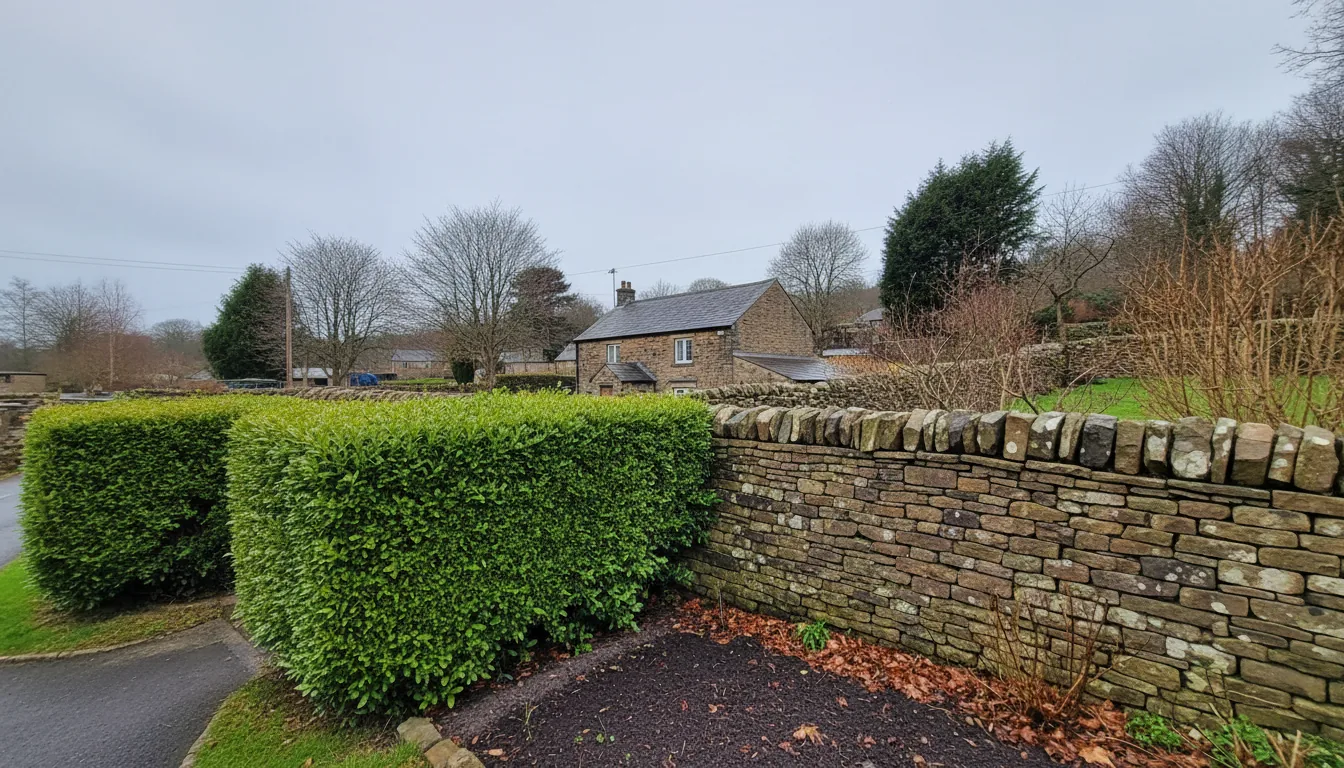
Winter hedge trimming in Penistone: an honest guide
Most hedges in Penistone and Crow Edge get cut once in late summer and then forgotten about until spring. That works fine for some species, but it misses a useful window. For the right hedges, winter is one of the best times to get on top of things, especially up here on the edge of the Pennines where the growing season is shorter and the weather can be unforgiving.
This guide covers which hedges benefit from a winter trim, which ones to leave well alone, and what a good winter cut looks like.
Is it actually okay to trim hedges in winter?
Yes, for most deciduous hedges it is. Once a hedge has dropped its leaves and gone dormant, usually from late November through to late February, it is not actively growing. That makes it a good time for shaping and cutting back without stressing the plant.
The key word is dormant. You want the hedge to be genuinely resting, not just slowing down. Up here in Penistone and Crow Edge, that dormant spell tends to arrive a little earlier in autumn and linger a little later into spring than in lower-lying parts of the country. Higher ground and more exposure mean colder soil and later bud break. Use that to your advantage.
What winter trimming is good for:
- Reshaping a hedge that has got wide or uneven over the years
- Cutting back an overgrown boundary hedge while it is dormant
- Clearing out dead wood and crossing branches before the new season starts
- Giving the hedge a clean structural shape that spring growth will fill in neatly
The one firm rule: don't cut during a hard frost. Freshly cut stems are vulnerable, and if temperatures drop sharply overnight after trimming, you can get die-back on the cut ends. Check the forecast, and if a hard frost is due, leave it a few days.
Which hedges can you cut in winter?
It depends on the species. Here is a straightforward breakdown of hedges that are common in gardens around Penistone and Crow Edge.
Hawthorn
Hawthorn is a common boundary hedge in this part of South Yorkshire. It is tough, thorny and copes well with cutting. Trimming it in the dormant season, from December to late February, works well, and waiting until after the berries have gone leaves food for the birds through early winter. A good cut in January or February will produce dense regrowth come spring.
Privet
Privet is semi-evergreen, so it holds some leaves through winter but is still largely resting. A light tidy in a mild spell in January or February keeps the shape clean and means less to deal with when the growing season kicks in. Avoid cutting in very cold snaps, as with any hedge.
Beech and hornbeam
The routine trim for beech and hornbeam is usually in late summer. If one of these hedges has got too big and needs cutting back hard, though, that is best done in the dormant season, in February. They hold their dead brown leaves through winter, which gives some shelter in an exposed garden, so there's no need to rush.
Leylandii and other conifers
Conifers are the exception. They do not regrow from old, bare wood the way deciduous hedges do, and cutting back into brown growth can leave permanent bare patches. Trim them lightly in the growing season instead, and never cut back past the green.
Laurel
Laurel is a bit more sensitive to cold than hawthorn or privet. If you want to trim laurel in winter, keep it light and only do it during a mild spell. Heavier pruning is better left until spring.
What about nesting birds?
Nesting birds are protected by law: it is an offence to damage or destroy an active nest. Birds can nest in hedges from early spring right through summer, which is why most advice is to avoid cutting hedges between March and August, and to check carefully first if a trim really can't wait.
That leaves September through to the end of February as the main window for hedge work. Within that window, winter is often the best time for structural work on deciduous hedges, while September and October suit a lighter tidy.
Up here in Penistone and Crow Edge, where the growing season is already short, getting hedge work done in winter also means the hedges look neat and shaped just as the new growth starts to push through.
What a good winter hedge trim looks like
A good winter cut is more than running a trimmer along the top. It involves:
- Looking at the overall shape and deciding where the true line should be
- Taking out any dead, diseased or crossing branches from inside the hedge
- Cutting the sides with a slight inward taper (wider at the base, narrower at the top) so light reaches the lower growth
- A clean, level top
- Tidying the base and the edge where the hedge meets the lawn or border
That taper matters more than people realise. Hedges that are wider at the top shade out their own lower stems, which eventually go bare and woody. Getting the shape right in winter sets the hedge up to grow back evenly.
Attention to detail
With hedges especially, the quality of the cut affects how the hedge grows back. Ragged cuts, the wrong angle or cutting into old wood on the wrong species all cause problems down the line. It's the kind of care Jan Inglis picked out in her Facebook recommendation:
"An amazing young man. Such an eye for detail and meticulous in his work. He is delightful and so polite too." — Jan Inglis, via Facebook
How winter hedge care fits into a wider garden routine
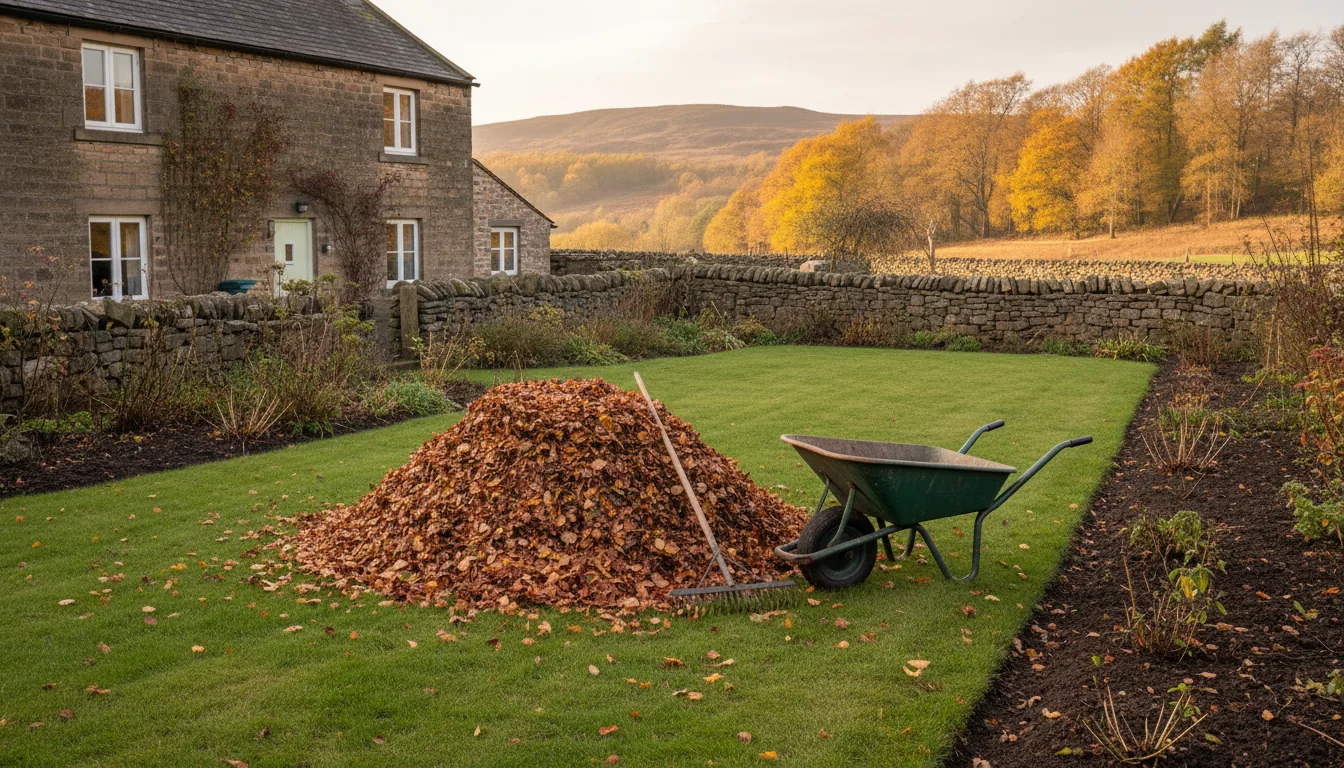
If your hedges need attention in winter, chances are the rest of the garden could do with a look too: borders that haven't been cut back, lawns with overgrown edges, shrubs that have spread across paths. Winter is a good time to sort that out before the growing season arrives and everything takes off at once.
There's a full guide on getting the garden ready before winter sets in, covering what else is worth doing in the colder months: Autumn garden tidy-up: what to do before winter in Penistone and Crow Edge.
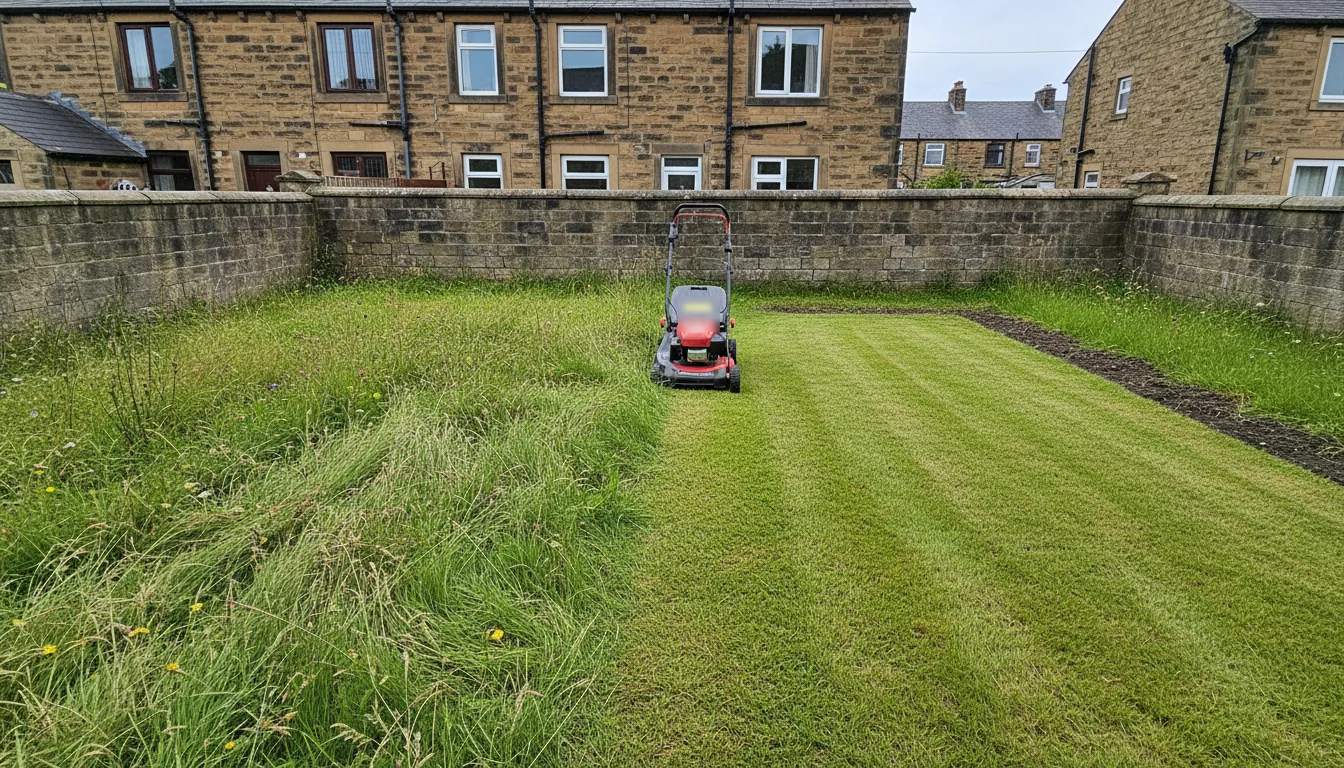
And if you have moved into a property where the garden has generally got ahead of itself, this is also worth a read: How to manage overgrown lawns: a practical guide for busy households in Penistone and Crow Edge.
Frequently asked questions
Is it okay to trim hedges in winter?
For most deciduous hedges, yes. Hawthorn and privet can be trimmed during the dormant period, and overgrown beech and hornbeam can be cut back hard in February. Avoid cutting during or just before a hard frost. Conifers and laurel are better left until milder conditions.
What months should you not trim hedges?
Most advice is to avoid March to August, when birds are nesting. Active nests are protected by law, so if a trim can't wait, check the hedge carefully first. Outside that window, September to February is the main working period.
Can you cut a privet hedge in winter?
Yes. Privet copes well with a light winter trim. It is semi-evergreen but largely dormant from December onwards, so a tidy cut in a mild spell in January or February is fine and sets the hedge up for neat spring growth. Just avoid cutting during a frost.
When is the best time to trim a hawthorn hedge?
December to February, while it is fully dormant, works well. Hawthorn is robust and responds well to cutting at this time of year, and a late-winter cut keeps you clear of the nesting season that starts in spring.
Get in touch
If your hedges need sorting before spring, or the wider garden needs a look, Barnard Greenworks covers Penistone, Crow Edge and the surrounding areas. Ask for a quote or call Matt on 07402 824824.