How to manage overgrown lawns: a practical guide for busy households in Penistone and Crow Edge
Got an overgrown lawn in Penistone or Crow Edge? How to bring long grass back safely and keep it healthy, with local lawn advice from Barnard Greenworks.
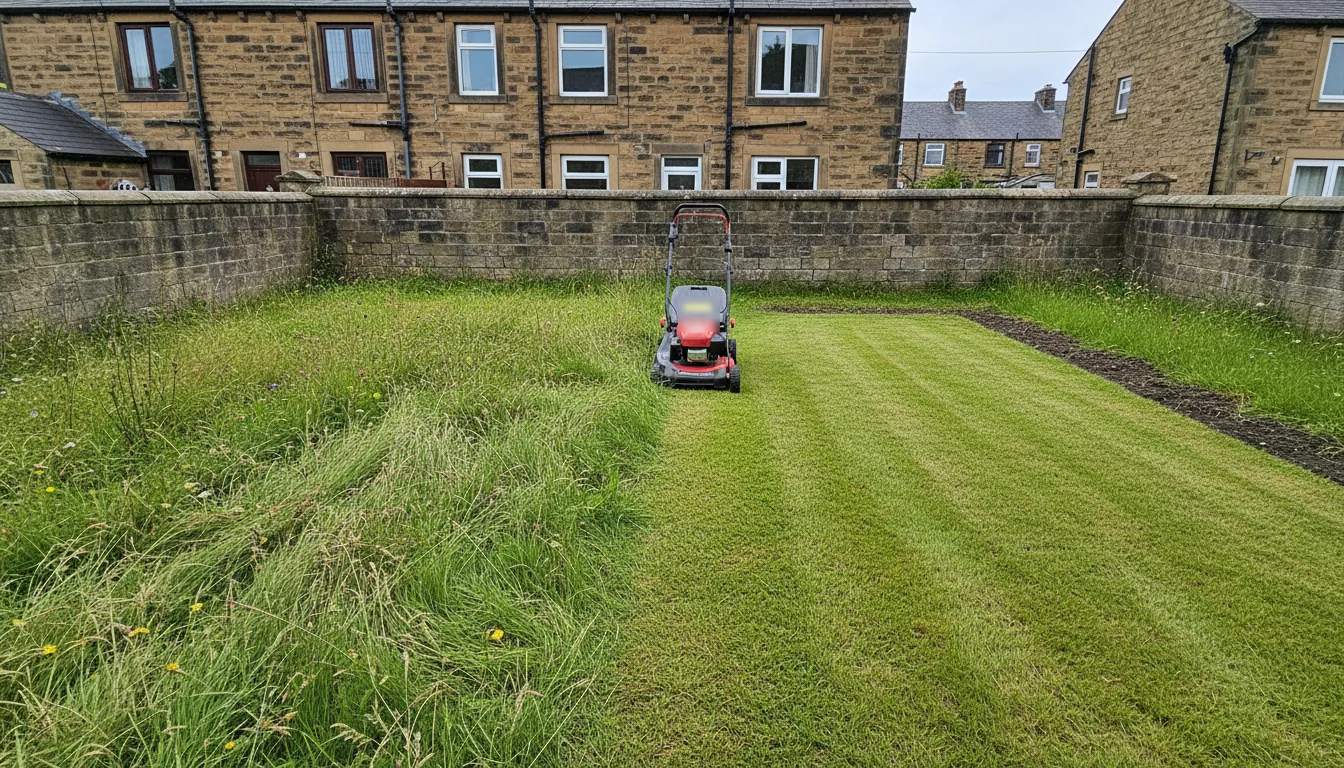
That lawn has got away from you. It happens.
A few weeks of wet weather, a busy spell at work, or moving into a house where the garden has been left to its own devices. Suddenly the grass is knee-high and you're not sure where to start. If you're in Penistone, Crow Edge, or anywhere on the South Yorkshire edge of the Pennines, you'll know that grass grows fast here when conditions are right. Plenty of rain and mild summer spells mean an untended lawn can go from scruffy to unmanageable quicker than you'd expect.
This guide covers how to rescue an overgrown lawn, what to avoid, and when to call in some help.
Why overgrown lawns need a careful approach
The temptation is to set the mower to its lowest setting and cut the whole lot down in one go. That's the worst thing you can do.
Grass that has grown very long has been reaching upward for light. The lower part of each blade has been shaded out and gone pale or yellow. If you scalp it all at once, you remove almost all the green leaf, which is where the plant makes its food. The result is a lawn that looks brown and stressed for weeks, and can take a long time to recover properly.
The rule is simple: never cut more than about a third of the grass height in one pass.
How to rescue an overgrown lawn, step by step
Step 1: Take the top off first
If the grass is very long, start with a strimmer or a mower set to its highest setting. You're just reducing the height, not finishing the job. Leave it a few days if you can.
Step 2: Cut again, a little lower
Come back and take another pass at a slightly lower setting. Again, you're not going for the final height yet. You're bringing the lawn down gradually so the grass can adjust.
Step 3: Repeat until you reach a sensible height
For most domestic lawns, a finished height of around 4 to 5 centimetres is healthy and looks tidy. Getting there from very long grass might take two or three cuts over one to two weeks.
Step 4: Tidy the edges
Once the main body of the lawn is under control, crisp edges make a huge difference to how the whole garden looks. A half-moon edger or a strimmer run carefully along the border gives that finished result.
My grass is too long to mow. What can I do?
It's a common situation for anyone who has just moved into a property in Penistone or Crow Edge with a garden that hasn't been touched for a season or more.
If the grass is so long that a standard rotary mower would bog down or clog up, a strimmer is the right tool for the first pass. It cuts through long, dense growth that would stop a mower in its tracks. Once you've reduced the height significantly, a mower can take over.
A word of caution: long, wet grass is heavy and wraps itself around strimmer heads and mower blades quickly. Work in shorter runs, clear the cuttings from the mower deck regularly, and don't rush it.
If you don't have the kit, or the job simply feels too big, this is exactly the kind of one-off tidy-up Barnard Greenworks takes on.
What month should you not cut grass?
In Penistone and Crow Edge, the growing season runs roughly from April through to October, but the edges of that window are softer than they are in lower-lying parts of England.
As a general guide:
- December, January and February are the months to leave the mower in the shed. Grass is dormant or close to it, and cutting wet, cold grass does more harm than good. Mowing frozen grass is particularly damaging.
- November and March are borderline months. If there's been a mild spell and the grass has put on some growth, a light trim on a dry day at a high setting is fine. But if the ground is waterlogged or frost is forecast, leave it.
- April through October is the main mowing window here. Up on the edge of the Pennines, spring arrives a little later than it does in the valley bottoms, so don't be in a rush to start early in the year.
The key thing is to look at conditions, not the calendar. Grass growing actively on a dry day in late October is fine to cut. Grass sitting in standing water in mid-October is not.
What about bumpy or uneven lawns?
A common problem in older gardens is a lawn that has become lumpy and uneven over the years. Mole activity, tree roots, frost heave and general settling all contribute.
Levelling a bumpy lawn properly means lifting sections of grass and adjusting the soil beneath, which is a job for a landscaper rather than a maintenance visit. What regular mowing can do is keep the damage down: cutting a bumpy lawn at a sensible height, rather than scalping it, stops the mower tearing at the high spots.
Keeping on top of it once it's back under control
Rescuing a neglected lawn is one thing. Keeping it manageable is another.
Regular mowing during the growing season is the single most effective thing you can do. Once a fortnight is a reasonable minimum for most gardens in this area during the summer months. In a warm, wet spell, once a week keeps things much more manageable and actually reduces the work each time, because you're never taking off more than you should.
The same applies to borders and hedges. A garden that gets attention regularly stays tidy with far less effort than one that's left and then tackled in a panic.
What a lawn rescue looks like
Paul Brown's Facebook recommendation describes exactly this kind of job:
"My two overgrown lawns were today given a lovely cut and tidy up by Matt. Very respectful, friendly and knowledgable gardener." — Paul Brown, via Facebook
Getting a lawn that's been neglected back to a state where it looks cared for again makes a real difference to the whole garden, and it's much easier to keep on top of from there.
Regular garden care in Penistone and Crow Edge
A one-off tidy-up is often the place to start, and regular visits through the growing season keep the garden that way. That suits busy households, people who find the garden harder to manage than it used to be, and landlords keeping rental gardens presentable.
Barnard Greenworks covers:
- Lawn mowing
- Strimming and edging
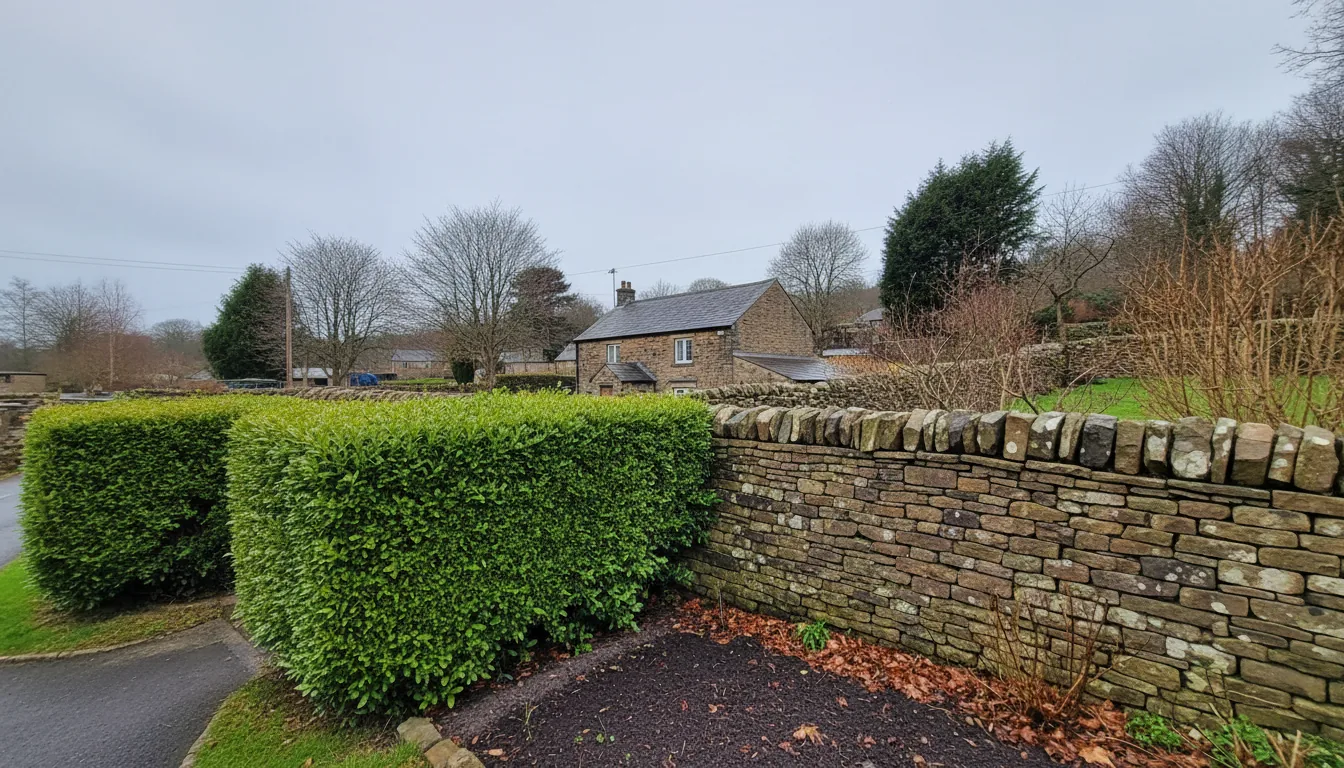
- Hedge cutting and trimming
- Shrub and border pruning
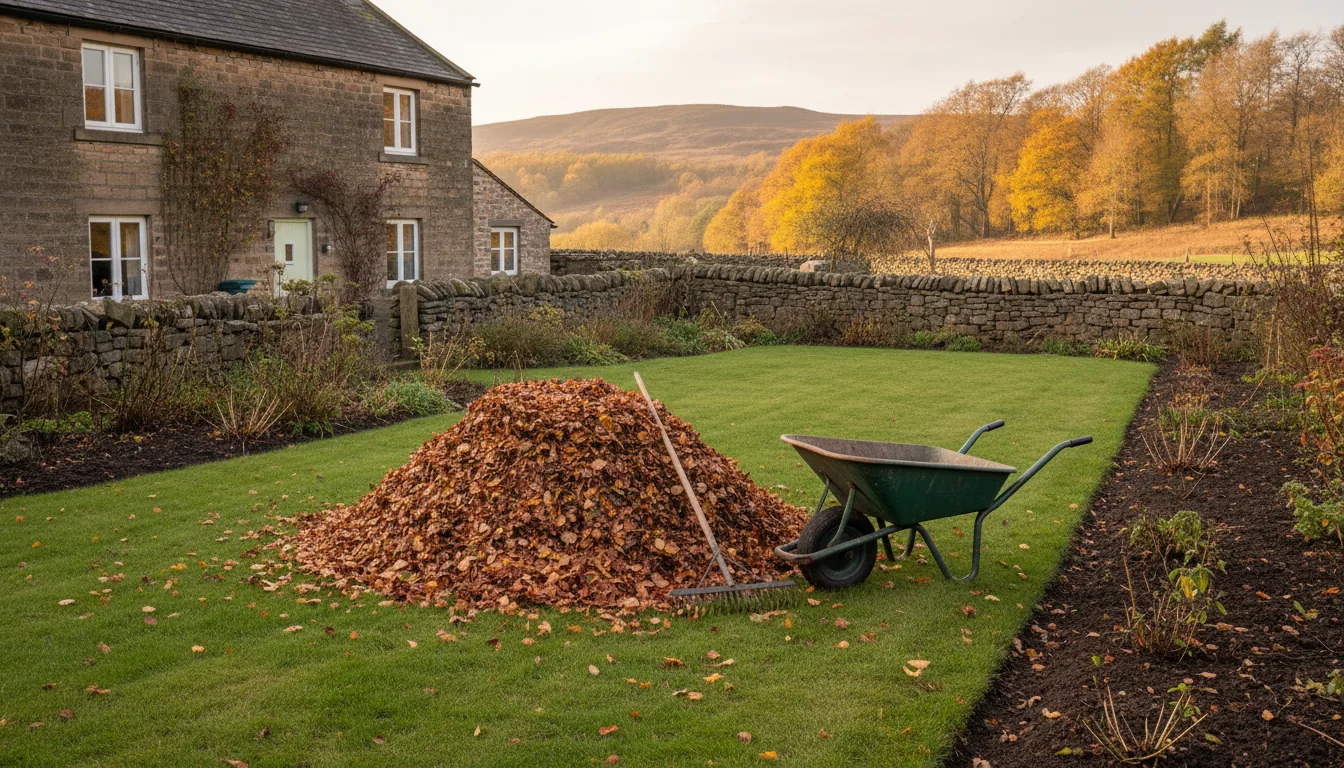
- Leaf clearing in autumn
- Regular garden care and one-off tidy-ups
Matt is based in Penistone and looks after gardens across Penistone, Crow Edge and the surrounding areas.
Frequently asked questions
How do I rescue a lawn that has completely overgrown?
Take it down gradually. Start with a strimmer or your mower on its highest setting to reduce the bulk, then cut again a few days later at a slightly lower height. Repeat until you reach a sensible finished height of around 4 to 5 centimetres. Never remove more than about a third of the blade in one go, or the grass will struggle to recover.
What months should I avoid cutting grass in Penistone?
December, January and February are the months to leave the lawn alone. The grass is dormant and cutting it in cold, wet or frosty conditions does real damage. March and November are judgement calls based on whether the grass is actively growing and the ground is dry enough to walk on without compacting it.
My grass is too long for my mower. What's the best approach?
Use a strimmer first to knock the height back. Once you've reduced the length significantly, a mower can take over for the finer work. Forcing a mower through very long, dense grass risks clogging the deck, stalling the engine and leaving a poor finish. If you don't have a strimmer, it's worth getting someone in who does.
How often should I mow my lawn to stop it getting out of hand again?
Once a fortnight through the main growing season (roughly April to October in Penistone) is a sensible minimum. In a warm, wet summer, once a week keeps things much more manageable. The more regularly you cut, the less you're taking off each time, and the healthier and tidier the lawn stays.
Get your lawn sorted
If your lawn in Penistone, Crow Edge or the surrounding area has got away from you, Barnard Greenworks can help, whether it needs a one-off rescue cut or regular visits through the season. Ask for a quote or call Matt on 07402 824824.